Most residential metal roofs run between roughly 4 and 18 dollars per square foot installed. Exposed fastener panels sit at the bottom of that band, standing seam steel through the middle and upper part of it, and copper or zinc well above. Roof shape moves the figure as much as roof size does.
| System | Typical installed range |
|---|---|
| Exposed fastener steel (corrugated, R panel) | $4 to $9 per sq ft |
| Metal shingle or stone coated steel | $9 to $16 per sq ft |
| Snap lock standing seam steel | $10 to $16 per sq ft |
| Mechanically seamed standing seam steel | $12 to $18 per sq ft |
| Standing seam aluminum | $12 to $20 per sq ft |
| Zinc | $20 to $35 per sq ft |
| Copper | $25 to $45 per sq ft |
On a 2,000 square foot roof that is roughly 8,000 to 18,000 dollars for an exposed fastener panel and 20,000 to 36,000 for standing seam steel, before tear-off and any deck repair.
Get Metal Roof Cost Guide connects you with licensed local companies. We are not a roofing contractor and do not perform the work ourselves.
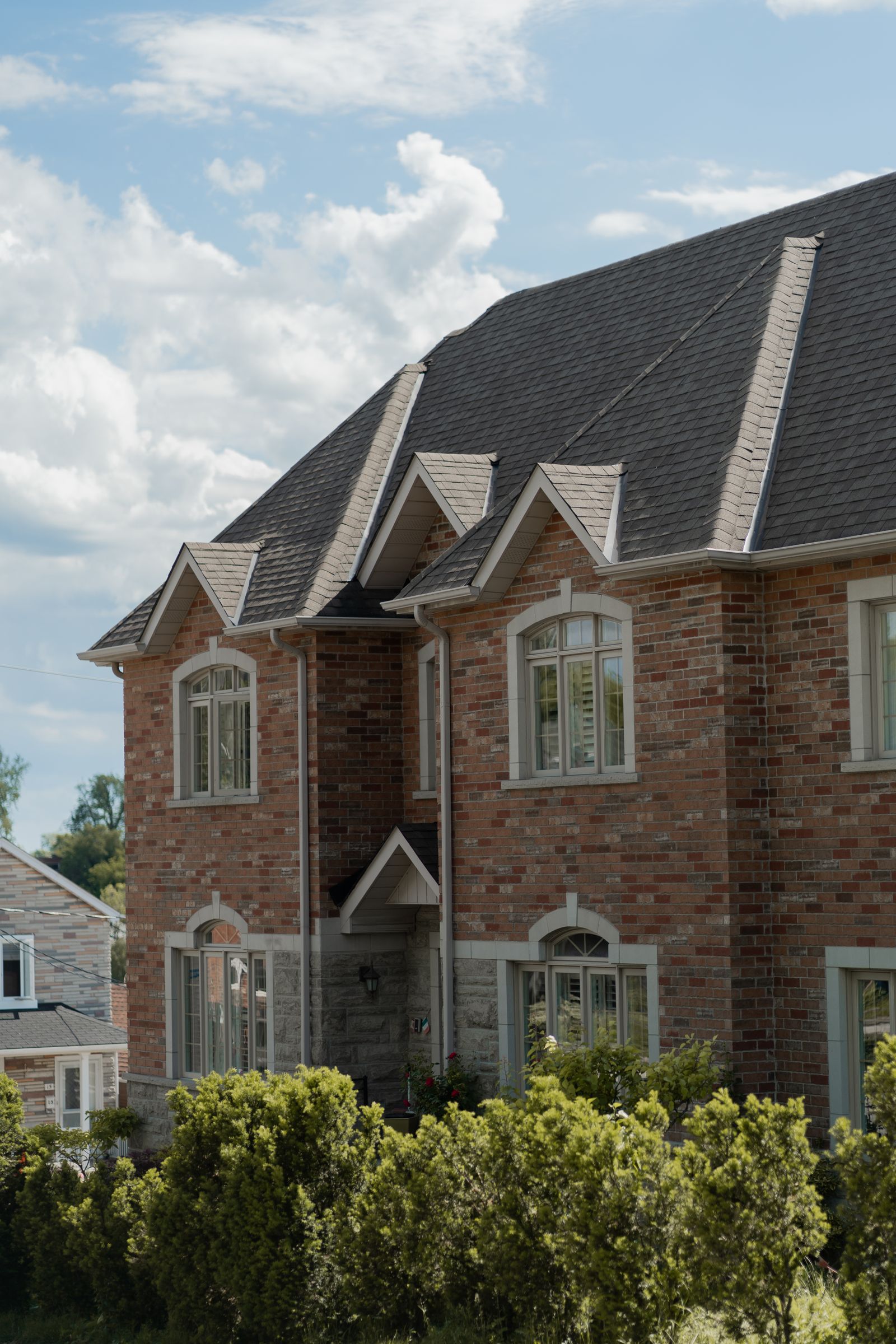
Roofing is normally priced by the square, a roofing square being one hundred square feet. That gives you a rate, but the rate alone is not comparable between quotes because it assumes a specification. Get the specification.
| Line item | What to check |
|---|---|
| Roof area | Squares, measured rather than estimated from a floor plan |
| Panel system | Standing seam, exposed fastener or metal shingle |
| Metal and gauge | Steel, aluminum, zinc or copper, and the thickness |
| Coating | The finish system, which drives appearance over time |
| Tear-off | Whether the old covering comes off, and disposal of it |
| Deck work | What happens if the deck underneath is not sound |
| Underlayment | Type and coverage, hidden but not optional |
| Flashing and trim | Valleys, hips, ridge, eave, penetrations |
| Ventilation | Ridge vent and intake, often revised with a new roof |
| Permits | Who pulls them and whether the price includes them |
| Warranty | Material and workmanship, which are separate promises |
Because a metal panel wants to run in a long straight line from ridge to eave, and anything interrupting that line has to be cut, flashed and sealed by hand. Every interruption is labor, and labor is where the money goes.
This is why a quote given over the phone from a square footage figure should be treated as a conversation rather than a price.
The panel system is the largest single lever on the price, and the difference is mechanical rather than cosmetic. What you are buying at the higher end is the absence of holes through the face of the roof.
| System | Where the fasteners sit | Position on price |
|---|---|---|
| Exposed fastener panel | Through the panel face, with washers | Lowest |
| Metal shingle or tile | Concealed, installed in courses | Middle |
| Snap lock standing seam | Concealed under the seam | Upper |
| Mechanically seamed standing seam | Concealed, seam folded on site | Highest |
Exposed fastener systems rely on a rubber washer at every screw, and those washers are a maintenance item. Standing seam removes that entire category of maintenance, and that is the honest case for the extra cost.
Yes, and it changes the character of the roof with it. Steel is the residential default, aluminum is chosen where corrosion is the concern, and zinc and copper are architectural decisions with prices to match.
Gauge matters alongside metal. A lower gauge number means thicker material, and thicker material resists denting and oil canning better. Two steel standing seam quotes can use different gauges, and that difference will not be visible in a headline price.
It avoids tear-off labor and disposal, so it usually reduces the quote. Whether it is the right choice depends on the state of the deck beneath, how many layers are already there, and what local code permits.
The trade is that nobody sees the deck. If the deck has soft spots, going over the top hides them under a roof intended to last decades. Ask the company how it has satisfied itself that the deck is sound.
Get at least three quotes on the same written specification, not on whatever each company chose to propose. Then ask each one the two questions that reveal the most: what the price assumes about the deck, and what happens to the price if that assumption is wrong.
A company that has thought about the answer will give you one straight away. That is worth more than a discount.
Generally by the roofing square, which is one hundred square feet, adjusted for pitch and complexity. The rate depends on the panel system, the metal and gauge, the underlayment and whether tear-off is included.
Because the fasteners are concealed beneath the panels rather than driven through the face. That takes more material, more precise installation and often a seaming machine on site, and it removes the exposed washers that would otherwise need maintaining.
To install, yes, and that is not really disputed by either side. The comparison turns on service life and on how long you intend to own the house, which is why it resolves differently for different people.
It can estimate roof area usefully, which is a fair sanity check on a quote. It cannot see your valleys, dormers, penetrations or deck condition, and those are where real quotes diverge from calculated ones.
Most often tear-off and disposal, deck repair, upgraded underlayment, ventilation work, and flashing detail at penetrations. None of those are optional in practice; they are simply not in the number you were given.
Get Matched
Tell us about your roof and we will connect you with licensed companies working in your area. There is no obligation to hire anyone.