For most people, realistically no. The panels are long and awkward, the seaming and flashing work is unforgiving, mechanically seamed systems need a machine, and the consequences of an error are hidden until water appears somewhere unexpected.
Get Metal Roof Cost Guide connects you with licensed local companies. We are not a roofing contractor and do not perform the work ourselves.
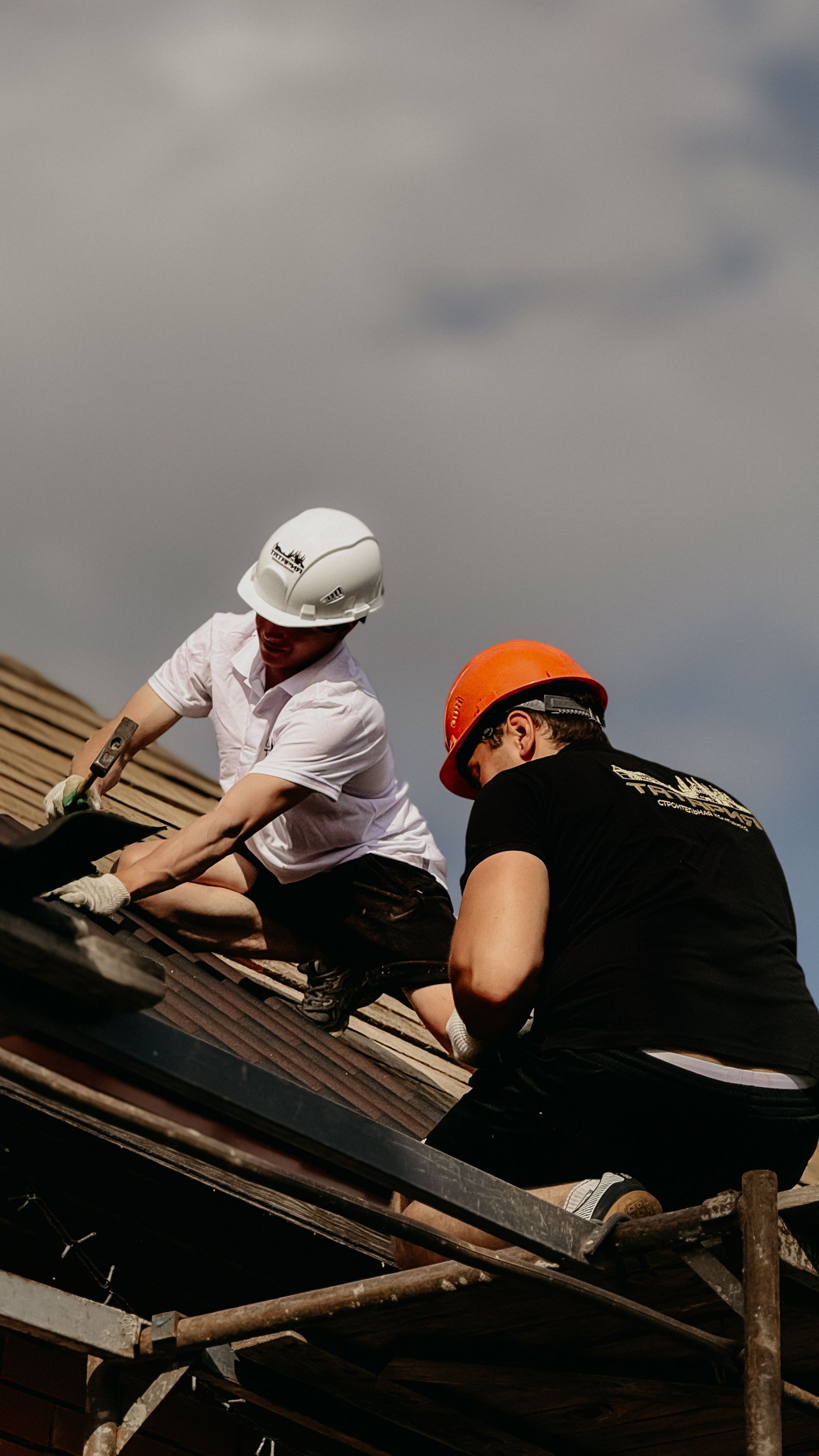
It is worth being concrete about this rather than treating it as a general warning. These are the specific requirements that make it a trade job.
There is a real middle ground, and it is mostly on buildings that are neither tall nor precious.
A simple corrugated roof on an outbuilding is a genuinely achievable project. A standing seam roof on a two story house with three dormers is a different activity that happens to use the same material.
Rarely in the middle of a panel. The failures cluster in the same places every time, and they are the places that need experience rather than effort.
That depends on how long you intend to leave the roof alone. Standing seam removes the exposed fasteners and washers that are the recurring maintenance item on cheaper systems, and it is designed to accommodate the movement that works those fasteners loose.
If you are roofing a barn you will happily re-screw in a decade, an exposed fastener panel is a reasonable and honest choice. If you are roofing a house you would rather not think about again, that is the case for standing seam, and it is a case about maintenance rather than about appearance.
On a house, it is not a realistic project for most people. Panel handling, seaming, flashing detail and thermal movement all need experience, and mechanically seamed systems need a machine you would have to hire and learn.
It is worth it when you want a roof that does not carry a recurring fastener maintenance task and that you intend to leave alone for a long time. On a building where that does not matter, a cheaper system is a defensible choice.
Exposed fastener panels on a simple, low outbuilding are within reach of a competent DIYer. Simple gable, no valleys, no dormers, no penetrations and not much height is the realistic envelope.
It can. Manufacturer material warranties frequently depend on installation following their published instructions, and some require a certified installer. Read the specific warranty before ordering the material.
Some companies will price the job that way and some will not, partly for insurance reasons. It is a reasonable question to ask, but be clear about who is responsible for the deck once it is exposed.
Get Matched
Tell us about your roof and we will connect you with licensed companies working in your area. There is no obligation to hire anyone.