Panels run in one length from ridge to eave and lock together at raised vertical seams. Clips hold each panel to the deck beneath the seam, so nothing passes through the face of the roof, and the clips let the metal expand and contract without working the fixings loose.
Get Metal Roof Cost Guide connects you with licensed local companies. We are not a roofing contractor and do not perform the work ourselves.
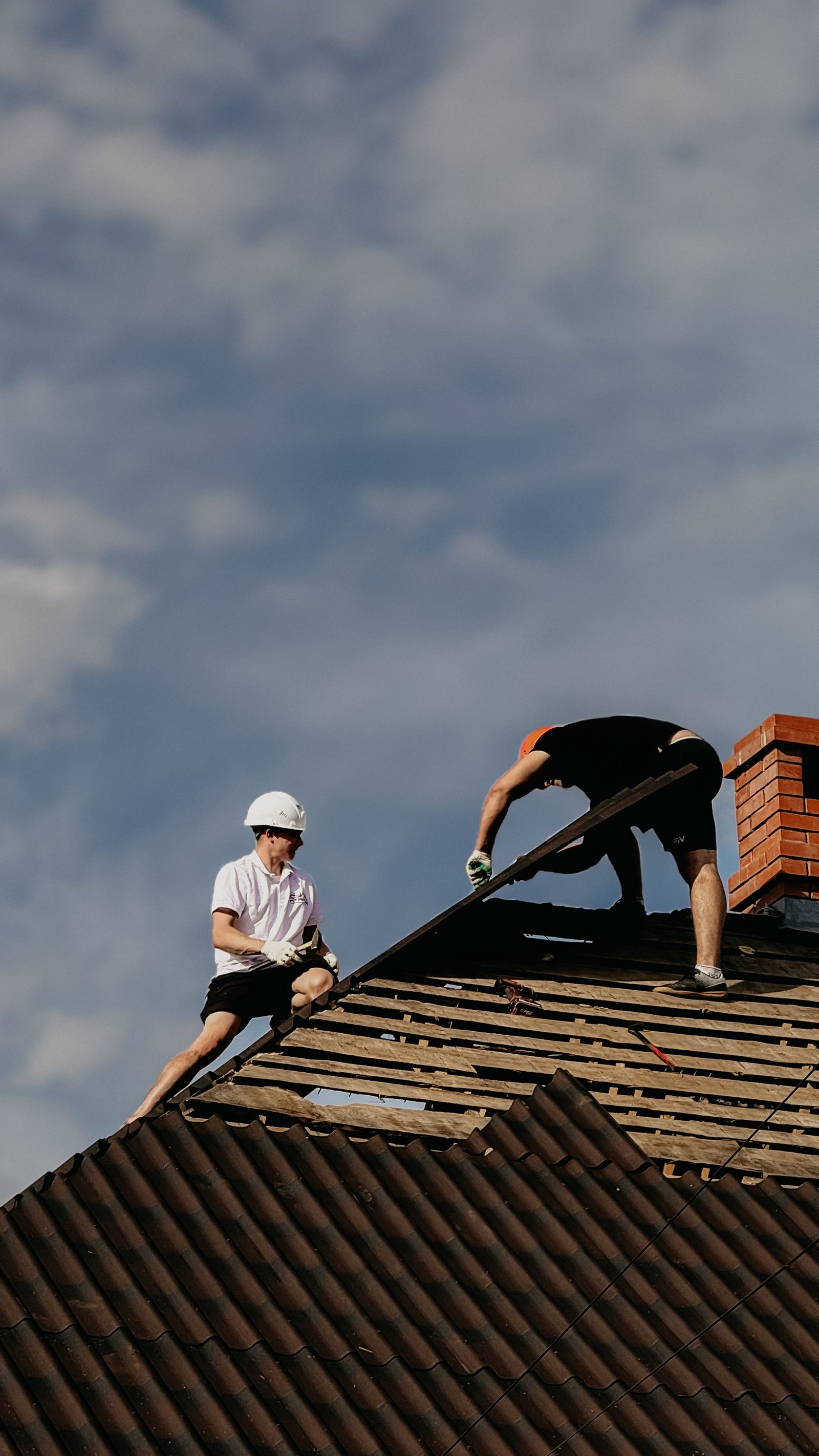
Every fastener driven through a roof surface is a hole, and every hole depends on a washer or a sealant to stay watertight. Those are consumable parts sitting in sunlight and weather, and they are the usual failure point on a screw down roof.
Standing seam removes that category entirely. The fixings are clips under the seams, out of the weather and out of the sun. That single difference is most of the reason the system costs more and most of the reason it is specified on houses intended to be left alone for a long time.
The sequence is fixed, and the parts that matter most happen before any panel is visible. Panels are usually cut to length for the run, sometimes formed on site from a coil by a portable rollformer.
Both are standing seam. The difference is how the seam is closed, and it changes where the system can be used.
| Snap lock | Mechanically seamed | |
|---|---|---|
| Seam closed by | Hand pressure, panels click together | A seaming machine on site |
| Equipment needed | None beyond normal tools | The machine, owned or hired |
| Typical slope | Higher slopes | Lower slopes as well |
| Exposure | Standard conditions | More exposed sites, higher wind |
| Cost | Lower of the two | Higher |
If a company is quoting mechanically seamed, it is worth asking whether it owns the seaming machine or brings one in, and who operates it.
Considerably longer than asphalt shingle, which is the main reason it is chosen, but a specific figure depends on the metal, the coating, the quality of installation and the climate it sits in. Any number quoted without those four things attached is marketing rather than information.
The manufacturer publishes warranty terms for the panel and its finish, and those terms are the closest thing to a concrete answer. Ask which product is being quoted, then read what its maker actually commits to and what voids it.
Panels run from ridge to eave and interlock at raised vertical seams. Concealed clips hold them to the deck and allow the metal to move with temperature, so no fastener passes through the exposed surface of the roof.
Deck preparation and underlayment first, then edge and valley flashing, then panels held by concealed clips, then the seams closed by hand or by machine, then penetrations, ridge and trim.
Longer than asphalt shingle, though the specific figure depends on the metal, the coating, the installation and the climate. The manufacturer warranty for the specific panel is the most concrete answer available.
Yes, and the system is designed for it. Metal expands and contracts with temperature, and the concealed clips allow the panels to do so. That is exactly what an exposed fastener roof cannot do, because it is pinned at every screw.
It can be, but where and how matters, and doing it carelessly dents panels or distorts seams. If anything needs regular access, such as a chimney or an antenna, raise it before installation so it can be planned for.
Get Matched
Tell us about your roof and we will connect you with licensed companies working in your area. There is no obligation to hire anyone.