Metal roofs fail at their details rather than across their panels. Flashing at penetrations, sealant at closures, fasteners on exposed systems and damage from impact account for most problems. The flat field of the roof is rarely the part giving trouble.
Get Metal Roof Cost Guide connects you with licensed local companies. We are not a roofing contractor and do not perform the work ourselves.
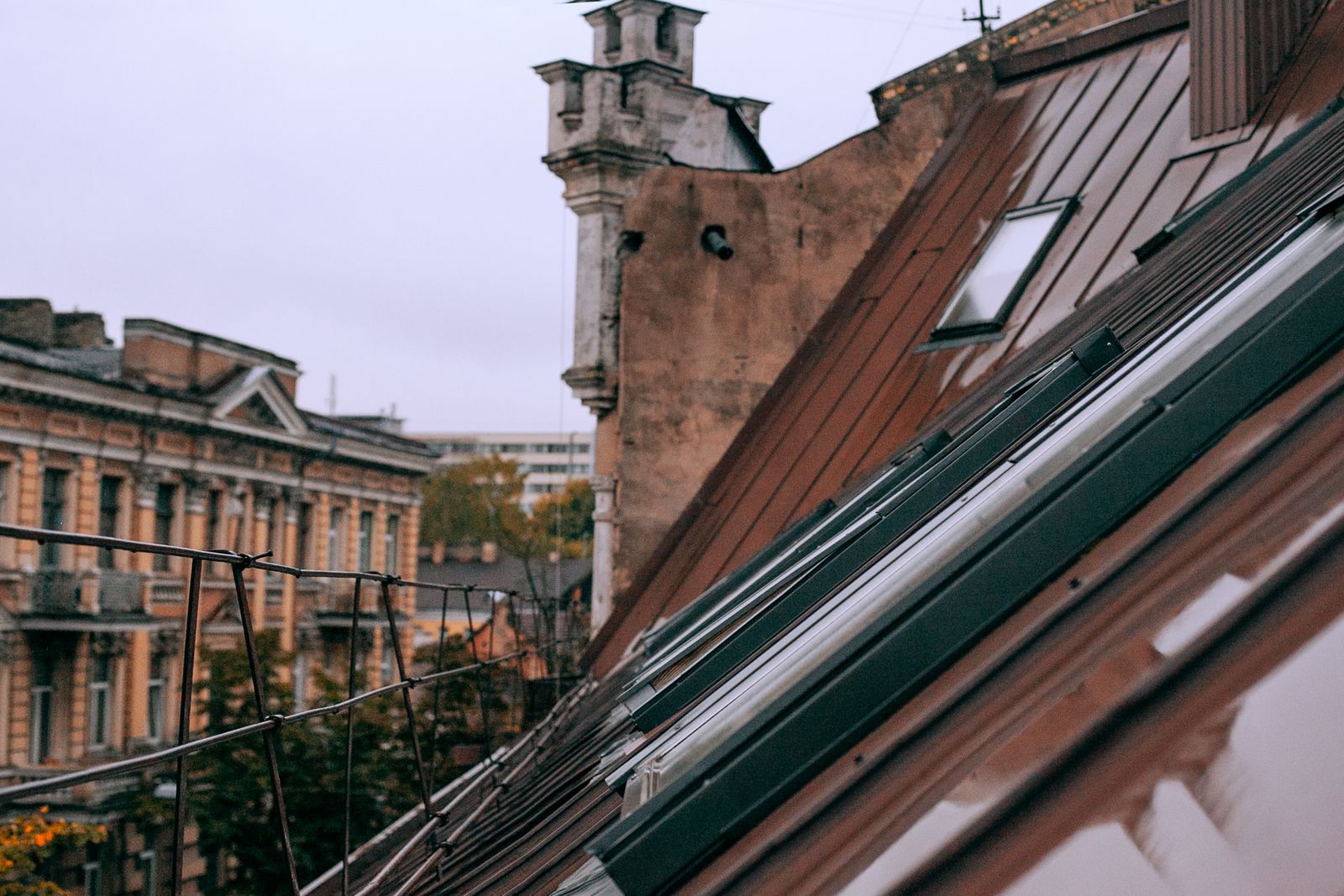
Almost always at an interruption in the surface, because that is where the roof stops being a continuous sheet and starts depending on someone having detailed it correctly.
This is why an installer's flashing detail matters more than the brand of the panel, and why a quote that says nothing about penetrations is incomplete.
On an exposed fastener roof, screws are driven through the panel face into the structure. Thermal cycling works them over the years, some back out slightly, and the rubber washers under their heads harden and crack with sunlight and age.
Standing seam does not have this problem, because it has no fasteners through the face. This is the practical difference between the two systems, and it is why exposed fastener roofs carry a recurring maintenance task that standing seam roofs do not.
Hail on metal is usually a cosmetic question rather than a functional one. Dents may appear in the flat of the panel without the roof ceasing to keep water out, which makes it a different insurance conversation from hail on shingle.
Two things are worth doing after a hailstorm. Photograph the roof, and check whether your policy excludes cosmetic damage, because a number of them do.
Repair is more specialized than on shingle, because panels run the full length of the roof and interlock with their neighbors. A damaged panel cannot simply be lifted out in the middle of a run.
Detail repairs, such as reflashing a penetration or replacing a failed boot, are straightforward for a company that works in metal. Replacing a panel is a larger job and needs matching material, which is a reason to keep the specification and any offcuts from the original installation. Colors and profiles change over time.
Yes. Detail repairs at penetrations, flashing and boots are routine for a company that works in metal. Replacing a damaged panel mid run is a larger job because panels interlock and run the full length of the roof.
It depends entirely on the policy. Many treat denting that does not affect performance as cosmetic, and a number of policies specifically exclude cosmetic damage. Check your own wording before assuming.
That is characteristic of an exposed fastener system. Thermal movement works the screws over time and the washers under them harden and crack. It is a known maintenance item on that type of roof rather than a defect.
At details rather than in the field: penetrations, valleys, wall and chimney junctions, skylights, and panel end closures. Quality of flashing work matters more than the panel brand.
Coated steel resists corrosion well, but bare cut edges, scratches through the coating and standing debris are where it can start. Aluminum is often specified instead near salt air for exactly this reason.
Get Matched
Tell us about your roof and we will connect you with licensed companies working in your area. There is no obligation to hire anyone.