Standing seam divides by how the seam closes and how the panel attaches. Snap lock clicks together by hand. Mechanically seamed is folded shut with a machine. Nail strip fastens through a flange at the panel edge, and batten seam uses a cap over the joint.
Get Metal Roof Cost Guide connects you with licensed local companies. We are not a roofing contractor and do not perform the work ourselves.
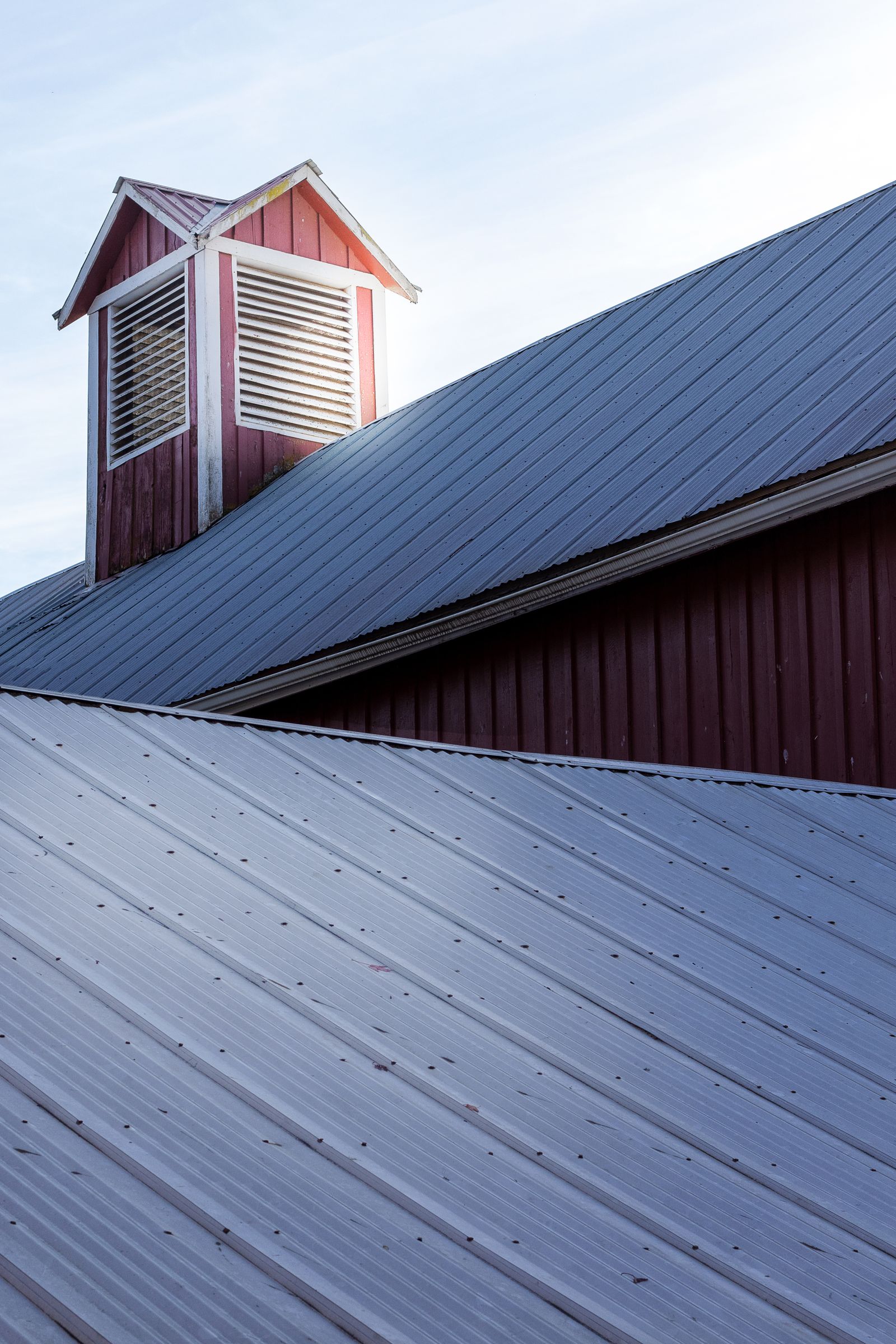
Each suits a different situation, and the minimum slope is the practical divider.
| Type | How it fixes | Typically suits |
|---|---|---|
| Snap lock | Concealed clips, hand snapped | Standard residential pitch |
| Mechanically seamed | Concealed clips, machine folded | Low slope, exposed sites |
| Nail strip | Through a flange at the panel edge | Simpler roofs, lower cost |
| Batten seam | Cap over the joint | Architectural and traditional work |
standing seam against exposed fastener compares standing seam with the other families.
Snap lock covers most houses at normal pitch. Go mechanically seamed where the slope is shallow or the site is exposed, since a folded seam resists uplift and driven rain better.
Nail strip is a legitimate lower cost route, but the flange fastening sits closer to an exposed fastener system in behavior, so ask how thermal movement is handled. what sits inside a roofing quote shows what each adds.
It looks like standing seam and hides fasteners, but the panel fixes through a flange rather than a free clip, so it accommodates movement differently.
A traditional profile where a cap covers the joint between panels, giving a stronger shadow line. It is usually an architectural choice.
Yes. Taller seams, typically 1.5 to 2 inches, shed water better on low slopes than a 1 inch seam.
Get Matched
Tell us about your roof and we will connect you with licensed companies working in your area. There is no obligation to hire anyone.