Eave, rake, valley, headwall, sidewall and penetration. The flat field of a standing seam roof is the easy part and rarely the problem. Nearly every leak on a metal roof traces back to how one of those interruptions was detailed.
Get Metal Roof Cost Guide connects you with licensed local companies. We are not a roofing contractor and do not perform the work ourselves.
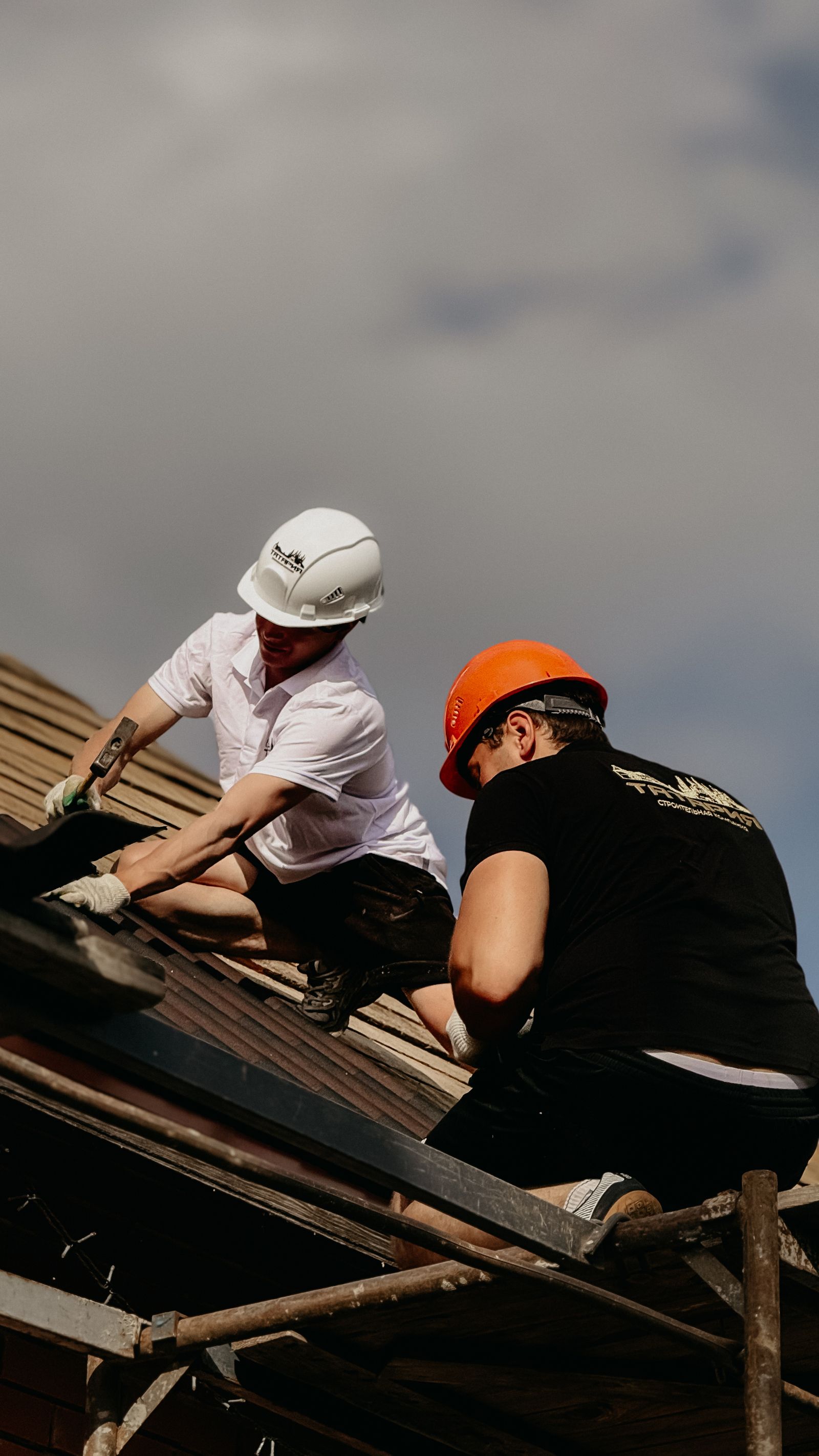
Each one solves a different problem, which is why generic flashing does not work.
| Detail | The job it does |
|---|---|
| Eave | Turn the panel edge and shed into the gutter |
| Rake | Close the gable edge against wind driven rain |
| Valley | Carry concentrated water from two planes |
| Headwall | Take water away where the roof meets a wall above |
| Sidewall | Step flashing up a wall running with the slope |
| Pipe penetration | Seal a round object in a ribbed surface |
| Ridge | Close the top while allowing ventilation |
Sealant should be a backup, not the mechanism. A detail that works relies on geometry, laps and hems shedding water, with sealant sitting behind that as insurance.
If a detail is a flat sheet with a bead of caulk holding it, it is on a clock. Ask to see the manufacturer's published detail for the specific junction. what the components are called covers the sequence, and what a metal roof costs installed covers what proper detail work adds.
At penetrations, valleys and wall junctions almost every time. The field of the panel is rarely the source.
No. Sealant has a service life and is a backup to geometry, not a substitute for it. A detail relying only on caulk will need attention.
It is reasonable to ask which manufacturer details will be used at valleys, walls and penetrations, particularly on a complicated roof.
Get Matched
Tell us about your roof and we will connect you with licensed companies working in your area. There is no obligation to hire anyone.