In courses from the eave upward, each one interlocking with its neighbors and the row below, with fasteners concealed by the next course. It is closer to conventional shingle work in rhythm than to standing seam, which runs in long panels down the slope.
Get Metal Roof Cost Guide connects you with licensed local companies. We are not a roofing contractor and do not perform the work ourselves.
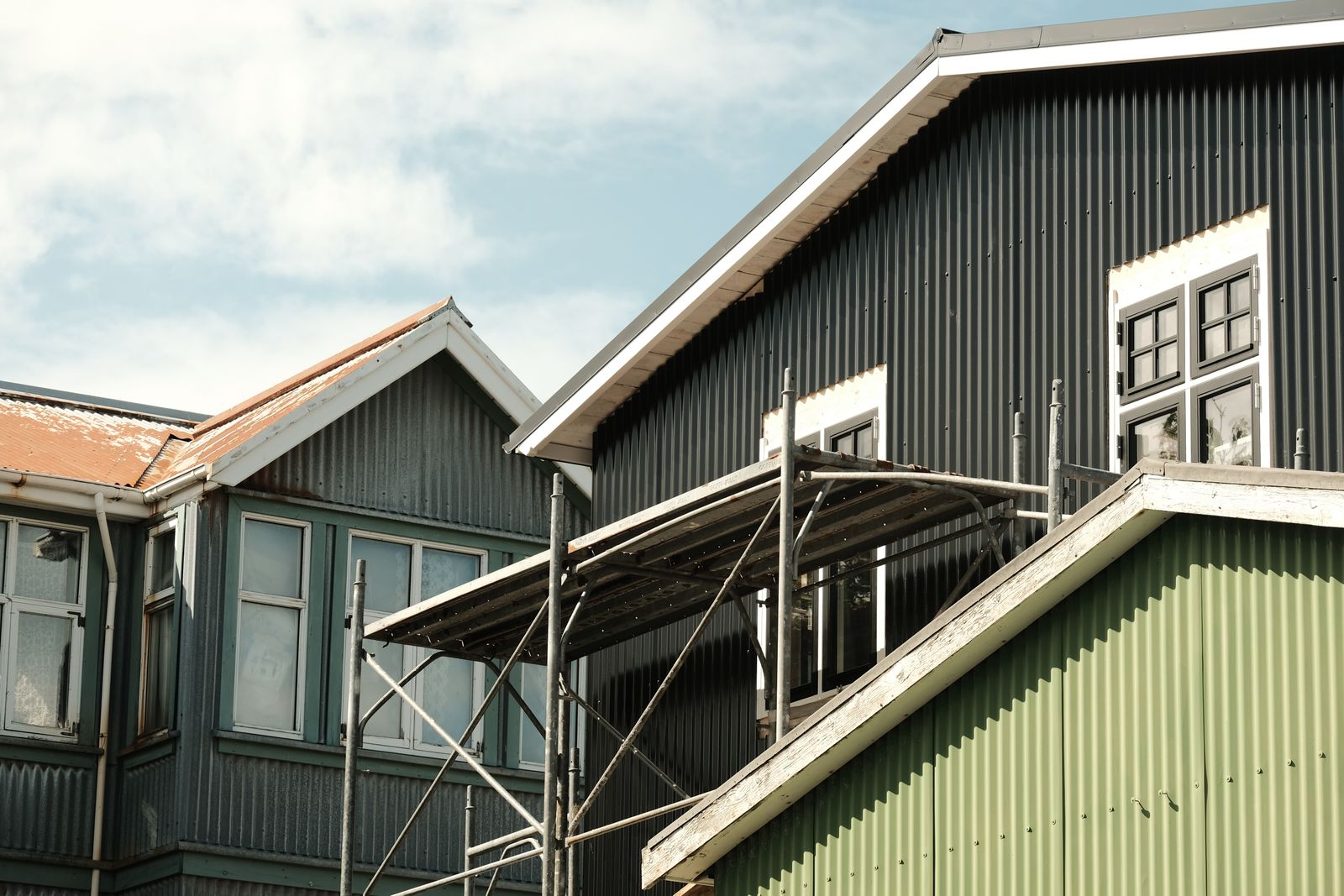
The difference matters most on a complicated roof.
| Metal shingle | Standing seam panel | |
|---|---|---|
| Unit | Small, in courses | Full length, ridge to eave |
| Cutting around dormers | Less waste | More waste |
| On site forming | Not needed | Sometimes rollformed on site |
| Thermal movement | Spread across many small units | Managed by clips |
the full installation guide covers the panel route for comparison.
Cut up ones. A roof with several dormers, hips and valleys wastes a lot of material in full length panels and takes far more cutting, whereas small units work around obstructions with less waste.
They also suit houses where a ribbed panel would look wrong: traditional styles, historic districts and neighborhoods where a conventional roof profile is expected. how installed prices are built up covers what they add over asphalt.
Some systems are, others fasten directly to the deck. It depends on the product, so check the manufacturer instruction.
No, in a properly designed system the next course conceals the fixings of the one below.
Often yes, subject to code and deck condition, and some batten systems are designed for exactly that.
Get Matched
Tell us about your roof and we will connect you with licensed companies working in your area. There is no obligation to hire anyone.